

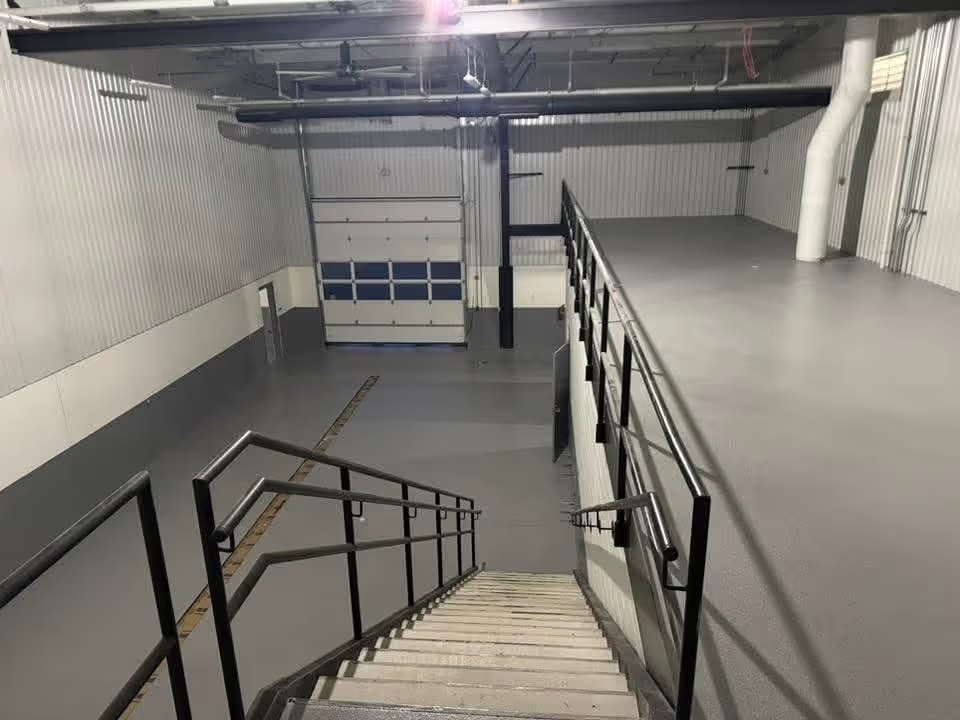

Commercial and industrial floors often face conditions that ordinary concrete surfaces may struggle to handle comfortably. Heavy traffic, moisture, temperature changes, cleaning chemicals, equipment, and regular spills can all influence flooring performance. This is why businesses often compare specialized coating systems before starting a flooring project. Polyurethane cement and epoxy coatings are two options that can serve different purposes depending on the environment. Understanding their characteristics, preparation requirements, maintenance needs, and intended applications can help property owners make a more informed flooring decision.
Understanding Polyurethane Cement
Polyurethane Cement is a flooring system designed for demanding environments where the surface may encounter moisture, temperature changes, heavy traffic, or challenging working conditions. It is commonly considered for areas such as commercial kitchens, food-processing spaces, manufacturing facilities, and other industrial environments.
One important consideration is the environment where the floor will operate. A kitchen exposed to frequent washing and temperature changes may have different requirements from a dry warehouse.
Before selecting a system, discuss the facility’s daily conditions with a flooring professional. The right material should be based on actual operating requirements rather than appearance alone.
Assess the Existing Surface
The condition of the concrete underneath any new flooring system deserves careful attention. Cracks, contamination, old coatings, uneven areas, and moisture can all influence preparation requirements.
Commercial and industrial floors may have years of accumulated wear, grease, dirt, chemical residue, or equipment-related damage. These conditions should be identified before installation begins.
Mechanical preparation, cleaning, repairs, or moisture assessment may be required depending on the condition of the slab. Proper preparation helps establish a suitable surface for the selected flooring system.
Comparing Epoxy Floor Coatings
Epoxy Floor Coatings are widely used across residential, commercial, and industrial applications because they can provide a seamless finished surface with a range of appearance and performance options.
Epoxy systems can be formulated for different applications, so it is important to discuss the specific product being proposed. Traffic levels, moisture, chemical exposure, temperature, and cleaning routines can all influence which formulation is appropriate.
The thickness and installation method may also vary. A professional assessment can help determine whether a particular epoxy system matches the demands of the facility.
Consider the Working Environment
Every facility places different demands on its floor. A restaurant kitchen may experience water, food ingredients, grease, steam, and repeated cleaning. A manufacturing space may deal with equipment, heavy loads, chemicals, or constant vehicle movement.
Think about what happens on the floor during a typical working day. Identify areas where equipment turns frequently, where spills are more likely, and where employees or vehicles create the highest traffic.
These details can help the flooring contractor recommend a system suited to the actual environment.
Think About Temperature Changes
Temperature can be an important consideration for certain commercial and industrial spaces. Kitchens may have areas close to ovens, cooking equipment, hot water, or steam, while manufacturing environments can experience other temperature-related conditions.
Ask how the proposed flooring system is expected to perform under the temperatures present in your facility. Rapid changes should also be discussed when they are part of normal operations.
Understanding these conditions before installation can help prevent the selection of a system that is unsuitable for the working environment.
Evaluate Moisture Exposure
Moisture can affect flooring projects in several ways. Water may come from cleaning procedures, spills, outdoor traffic, condensation, or movement through the concrete slab.
Before installing a new floor, discuss visible moisture concerns with the contractor. Testing may be recommended when the condition of the slab is uncertain.
Drainage should also be reviewed in areas where water is frequently used. A flooring system should work alongside the facility’s drainage design rather than being expected to solve drainage problems by itself.
Consider Cleaning Requirements
Commercial and industrial floors often need frequent cleaning. The flooring system should therefore fit the facility’s established maintenance procedures.
Ask which cleaning products, machines, and methods are suitable for the finished surface. This is particularly important in environments where stronger cleaning chemicals are routinely used.
A practical maintenance schedule can include regular cleaning, periodic inspections, and attention to areas experiencing the greatest traffic. Good maintenance can help preserve both appearance and functionality.
Compare Installation Requirements
Installation can affect business operations, especially in facilities that cannot easily stop normal activity. Preparation, application, curing, and return-to-service requirements should all be discussed before work begins.
Ask the contractor how long each stage is expected to take and whether the project can be completed in phases. A phased approach may be useful for larger facilities with multiple working areas.
Planning the schedule around production, deliveries, staffing, and equipment movement can reduce unnecessary disruption.
Look Beyond Appearance
Color and finish can influence the appearance of a commercial or industrial space, but these should not be the only considerations.
Think about cleaning, traffic, moisture, equipment, safety, temperature, and expected service conditions first. Once those requirements are understood, decorative choices can be made around the functional needs of the facility.
A flooring system that looks attractive but does not suit the working environment may create unnecessary maintenance concerns later.
Conclusion
Polyurethane cement and epoxy coatings can both have useful applications, but the best choice depends on the conditions of the specific project. Understanding the existing concrete, moisture exposure, traffic, temperature, cleaning routine, and installation schedule can make the decision more practical. Professional guidance can also help property owners compare systems according to their actual requirements rather than relying on general assumptions. If you are evaluating specialized flooring options for a demanding space, rhynopoxy.com can be explored to learn more about available coating solutions and consider which approach may fit your project.