

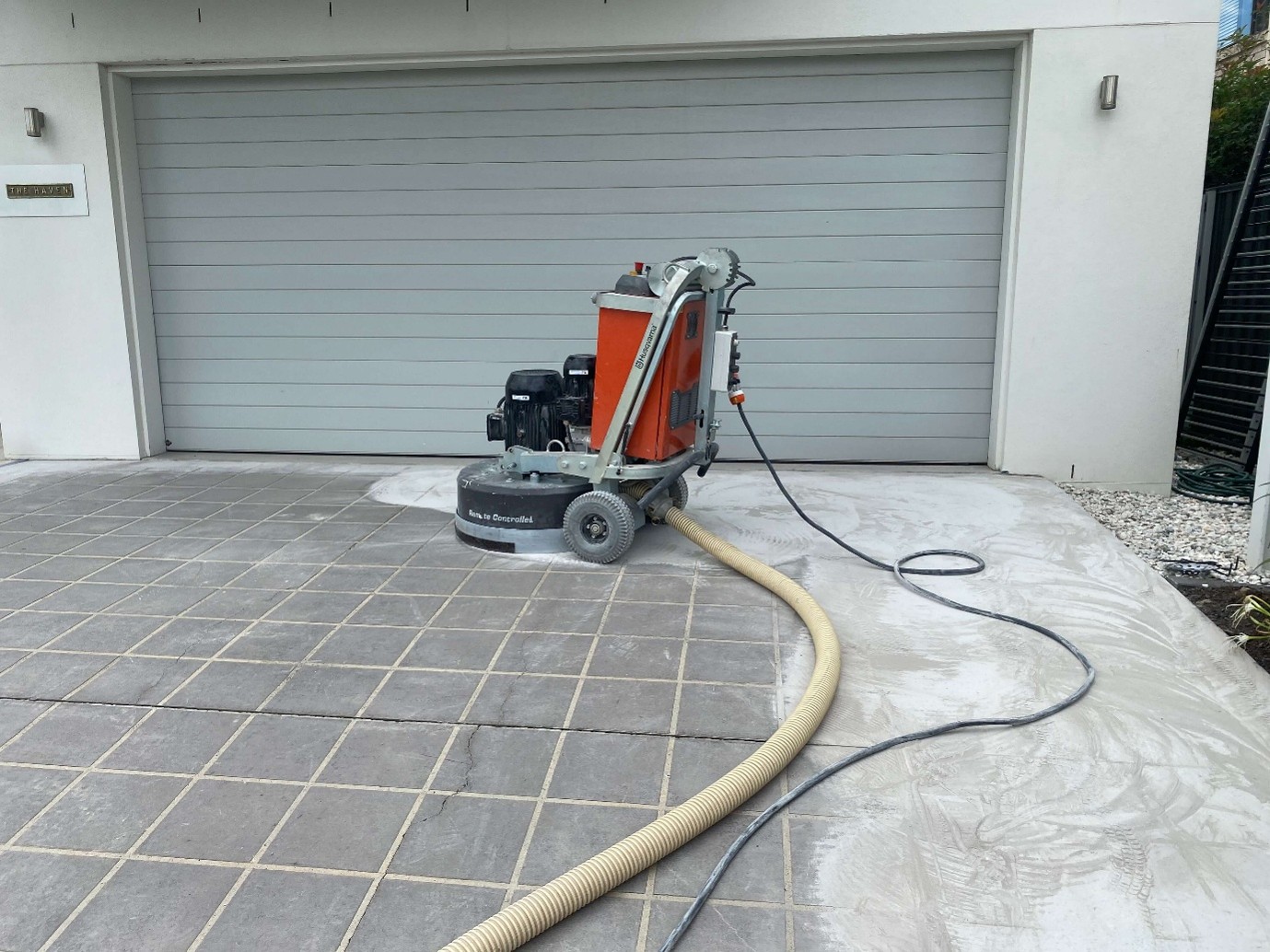

You probably think pouring a new coating over concrete is a quick weekend project, but it never actually works out that way without heavy scrubbing. Most people just want to jump straight into the painting phase because mixing colors is the fun part of the job. If you skip the boring grinding steps, your new surface will definitely start peeling off within a couple of months. Taking hours to scrape away old grease and glue makes the real difference between a total failure and a beautiful floor.
Getting Rid of Old Coatings
You need to strip away every single bit of old paint before you even think about opening a new can. Scraping manually takes forever, so renting a heavy-duty floor grinder from the local shop is usually the smartest move. When you leave old sealer on the concrete, the new chemical layer cannot form a proper bond with the base. This stage of floor preparation requires some serious physical effort, but it saves you from doing the entire job twice. Dust will fly everywhere during this phase, so keeping windows open and wearing a mask is highly recommended.
Checking Concrete Hardness First
You can test the surface strength by scratching it with a pocket knife or a specialized Mohs hardness kit. Soft concrete wears down way too fast under a grinder and requires a different chemical hardener to stabilize the base. If you ignore this initial check, you might end up destroying the rental equipment or ruining the concrete. Every single slab reacts differently to mechanical tools depending on how the original builder mixed the cement years ago. Taking five minutes to check the hardness prevents major headaches before applying expensive decorative overlays.
Fixing Deep Cracks Early
Every single crack and divots in the slab will show through your final shiny coat if you do not patch them properly. You have to clean out the debris from inside the cracks using a stiff wire brush or a shop vacuum. Using a high-quality epoxy filler works best because it shrinks very little compared to cheap water-based patches. Let the filler dry completely overnight until it turns rock hard before you attempt to sand it flat. Smooth transitions between the patched areas and the main slab ensure your final floor looks completely seamless.
Choosing the Right Patching Compound
Polyurea fillers cure incredibly fast, which means you can start grinding the surface again in just a couple of hours. Standard cement patches take days to dry fully, and they often crack under the weight of heavy vehicles. You must read the manufacturer data sheet to ensure the chemical compatibility matches your final top coat system. Mixing the two components precisely according to instructions prevents the patch from staying sticky or failing under pressure later. Buying cheap filler from a random hardware store usually results in the coating peeling up prematurely.
Acid Etching vs. Grinding
Industrial diamond grinding is always superior to chemical washing because it opens up the concrete pores much more deeply and evenly. Acid etching sounds easy, but handling dangerous chemicals in a closed garage presents serious health risks for amateur DIYers. If the concrete is tightly trowelled, the acid might not even penetrate the surface enough to create a rough texture. Mechanical floor prep creates a profile that looks and feels exactly like medium-grit sandpaper, which is ideal for coatings. Sticky resins need that rough profile to mechanically lock themselves deep inside the concrete matrix permanently.
Testing Water Bead Penetration
You can easily check your work by splashing a few drops of clean tap water onto the prepared concrete surface. If the water beads up like on a freshly waxed car, your surface is still sealed and unready. The water should soak in completely within thirty seconds to prove the pores are open and receptive. If it stays on top, you must grind the area again because the coating will definitely fail there. This simple test tells you exactly when the surface is ready for the next chemical application phase.
Conclusion
Investing time in proper soil guidance is the single essential factor for achieving flawless and amazing durability in any concrete slab. The experienced team at epoxyflooringredlands.com.au knows that moving quickly through the initial cleaning and sanding phases can lead to permanent premature wear or sanding down the channel. Ensure decades of heavy foot traffic and vehicles are alive to get your financing back by putting extra effort into repairing deep cracks, removing ancient seals, and inspecting floor profiles. Please contact our crew these days to discuss your next job or get a solid assessment now.