

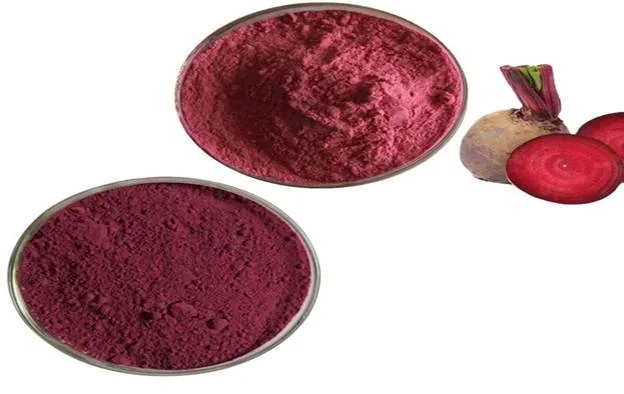
Open an old tub of seasoning and you often find a hard brick. The color is faded too. Snack makers hate that sight. Not fun. A dry food color powder fixes part of the problem, since it keeps water out of the mix.
Dry formats last longer for simple reasons. We will walk through water, mixing, sticking, packaging and storage. Each step either protects the color or wastes it. Seasoning is a small part of a snack bag, yet it sets the first look and the first taste. Keep it simple.
Water Is the Real Enemy
Water drives most decay. Microbes need it. Many color reactions need it too. In a liquid, color molecules float free. They bump into acids, metals and oxygen all day. Take the water away and most of that activity slows down. Simple chemistry.
Snacks add another twist. A bag of chips or kernels has low moisture on purpose. Popcorn color powder matches that dry world. A wet color would add water to a food that is built to stay crisp. Crisp is the whole point.
Why Powder Outlasts Liquid
Powder has a low water level, so germs struggle to grow in it. Liquids often need extra steps to stay safe, like acid or cold storage. A powder can sit on a shelf at room temperature for a long stretch, if kept dry. That saves effort.
Weight is another win. Dry color is concentrated, so a small bag does a big job. Less to ship, less to store. Many plants like it for another reason. Powder dosing fits the same scoop and scale they use for salt and spice.
Mixing Color Into Seasoning Blends
Even blending is a skill. Color powder is fine, and fine grains can sink to the bottom of a mixer. Spots show up as dark specks on chips. Many teams pre mix color with a bit of salt or starch first. Then they add that to the full batch. Messy mixes get noticed.
Grain size matters. Grains that match the salt and spice around them blend better and stay put. Ask the supplier for the particle range. Mix long enough, but not too long. Extra mixing can break fragile grains and raise dust. Test the timing.
Sticking Color to Popcorn
Popcorn is a tricky canvas. Kernels are bumpy and a little oily. Color powder needs something to grab. Many makers dust it on right after oil or butter goes on, while the surface is still tacky. Timing is everything here.
Tumble gently. Rough handling knocks powder off and leaves a cloud on the floor. Dust is a waste. Popcorn color powder mixed into a salt blend lets one pass cover both. Check a handful of finished corn for even shade before you pack the lot.
Packs That Block Moisture
A powder is only as good as its bag. Air carries water, and dry grains pull it in. Look for foil or thick lined bags with a tight seal. Thin paper lets humid air creep in, and the powder clumps. Seals matter.
Open bags need care. Press out the air, fold, and clip the bag shut after each use. Better yet, use small bags so no one stays open for long. Add a desiccant pack if the room is damp. Wet scoops are a no.
Storage Rules for Warehouses
Keep the room cool, dry and dark. Heat speeds up color loss, and light bleaches it. Store bags off the floor and away from steam, ovens and loading doors. A shelf near a sunny window is a bad spot. Easy to forget.
Use the oldest stock first. Mark the date on every bag. Check the supplier shelf life and keep within it. If a powder smells off, looks clumpy or has faded, set it aside and test before use. Better a small loss than a ruined batch. Dates save money.
Conclusion
Dry formats last longer because water is scarce, weight is low and handling is simple. Those gains hold only if the powder stays dry and blends well. Treat packing and storage as part of the recipe. A well kept food color powder can hold its shade for a long time. Worth planning for.
Snack brands that want plant based dry colors can look at foodrgb.com, ask for a sample and run a short shelf trial. Pop a batch, bag it, and check it again in a few weeks. Real results beat any claim on a spec sheet. Start small.